
Self Assessment Registration Deadline 2026
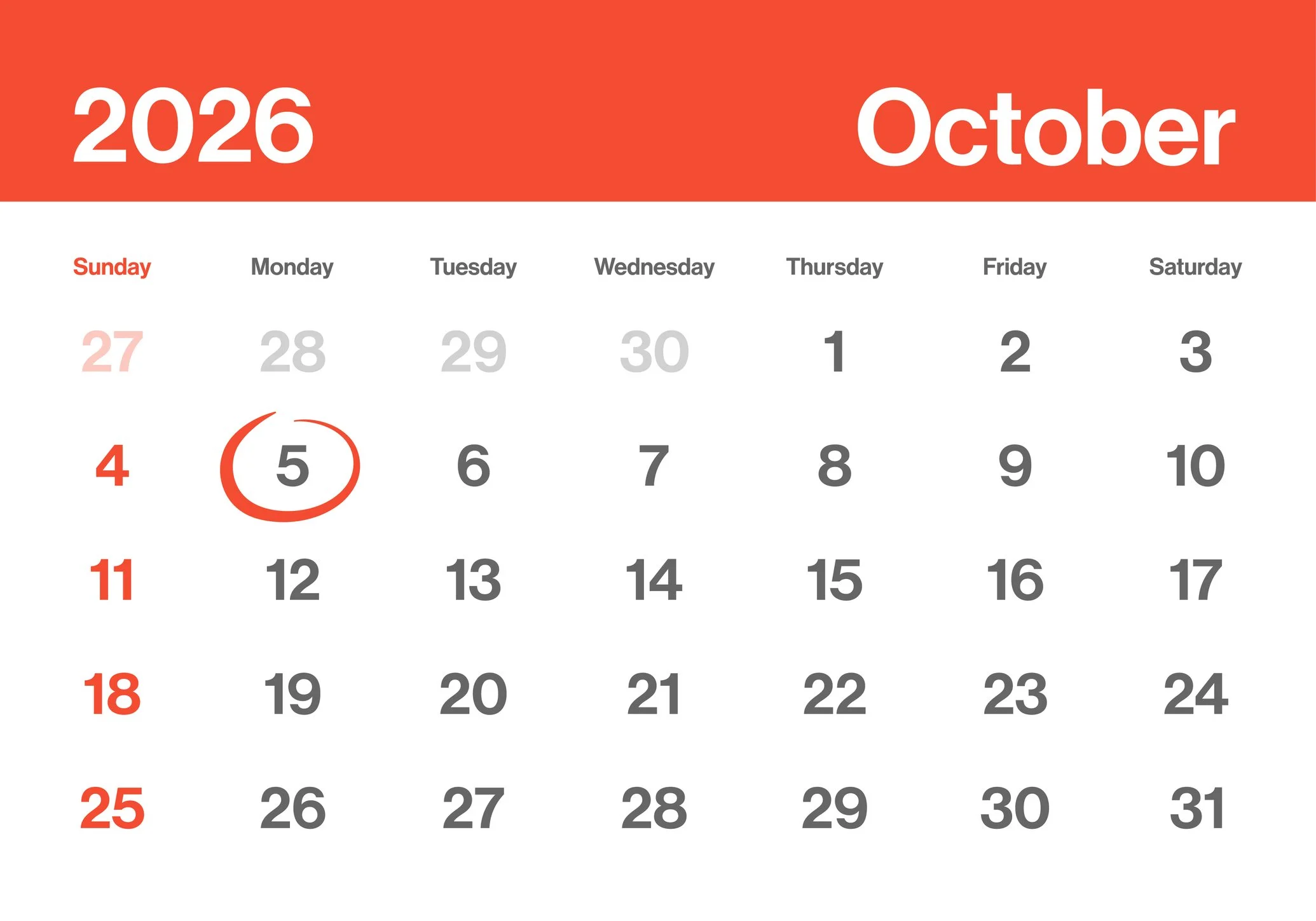
Do You Need to Register by 5 October?
Starting a business, taking on freelance work or receiving income outside your normal salary can create new tax responsibilities.
One deadline that is particularly easy to overlook is 5 October 2026.
This is the date by which you generally need to tell HM Revenue & Customs that you must complete a Self Assessment tax return for the 2025/26 tax year if you have not submitted one before. It may also apply if you were previously registered but did not need to submit a return for 2024/25.
The 2025/26 tax year ran from 6 April 2025 to 5 April 2026. The 5 October deadline is about registering or reactivating your Self Assessment record. It is not the deadline for submitting the return itself.
Understanding the difference can help you avoid a last-minute rush, unexpected tax bills and possible penalties.

Start With the Gross Salary
The gross salary is the amount agreed with the employee before their Income Tax, employee National Insurance and other deductions.
Employee Income Tax and employee National Insurance are normally deducted from the employee’s gross pay. They are not additional salary costs for the business.
Employer National Insurance is different. It is paid by the business on top of the employee’s salary.
You must also ensure the employee’s hourly rate complies with the National Minimum Wage or National Living Wage.
From 1 April 2026, the National Living Wage for workers aged 21 and over is £12.71 an hour. Different rates apply to younger workers and qualifying apprentices.
A salary that is compliant for someone working 37.5 hours a week may not be compliant for someone working 40 or 45 hours. Always check the hourly equivalent rather than relying on the annual figure alone.
Add Employer National Insurance
For the 2026/27 tax year, the standard employer National Insurance rate is 15% on earnings above the annual Secondary Threshold of £5,000.
For a standard employee earning £30,000 a year, the basic calculation is:
£30,000 salary minus £5,000 threshold = £25,000
£25,000 multiplied by 15% = £3,750 employer National Insurance
This means the £30,000 employee could cost the business £33,750 before pension contributions and other employment costs are considered.
Different National Insurance rules can apply to certain employees, including qualifying workers under 21, apprentices under 25, veterans and employees working in qualifying Freeport or Investment Zone locations.
Include Workplace Pension Contributions
Employers have automatic enrolment duties as soon as they employ their first member of staff.
An employee will generally need to be automatically enrolled if they:
Are aged between 22 and State Pension age.
Earn at least £10,000 a year.
Normally work in the UK.
Employees outside these criteria may still have the right to join a workplace pension. The employer’s responsibilities depend on the employee’s age and earnings.
For a qualifying defined contribution scheme using the standard qualifying earnings basis, the minimum total contribution is normally 8%. The employer must pay at least 3%.
For 2026/27, the qualifying earnings band runs from £6,240 to £50,270.
For an employee earning £30,000, the minimum employer contribution on this basis would be approximately:
£30,000 minus £6,240 = £23,760
£23,760 multiplied by 3% = £712.80
The exact amount can vary depending on the pension scheme, pay frequency and definition of pensionable pay.
Illustrative Employee Cost Examples
The following examples use:
The standard 2026/27 employer National Insurance rate.
The annual employer National Insurance threshold of £5,000.
A minimum employer pension contribution of 3% of qualifying earnings.
An employee who meets the automatic enrolment criteria.
No Employment Allowance.
No bonuses, benefits, overtime or salary sacrifice.
Rounded annual figures.
What Does the 5 October Deadline Mean?
You must normally tell HMRC by 5 October 2026 if you need to submit a tax return for 2025/26 and either:
You have not sent a Self Assessment tax return before.
You previously registered for Self Assessment but did not need to send a return for 2024/25.
You tell HMRC by registering for Self Assessment or reactivating an existing account.
The main deadlines for the 2025/26 tax year are:
5 October 2026: Register for Self Assessment or reactivate your account, where required.
31 October 2026: HMRC must receive a paper tax return by this date.
30 December 2026: Submit online by this date if you want HMRC to consider collecting an eligible tax bill through your PAYE tax code.
31 January 2027: Submit your online tax return and pay the tax you owe.
31 July 2027: A second payment on account may be due.
Registering by 5 October does not mean you have to wait until January to complete your return. You can submit it as soon as you have all the necessary information.
Who May Need to Register for Self Assessment?
Self Assessment is not only for full-time business owners. You may need to register if you received income during 2025/26 that was not fully taxed at source.
Common examples include:
You were self-employed as a sole trader and had more than £1,000 of gross trading income.
You became a partner in a business partnership.
You received income from renting out property or land.
You earned untaxed tips or commission.
You received savings interest, dividends or investment income that created a reporting requirement.
You received foreign income.
You sold or disposed of an asset and need to pay Capital Gains Tax.
You need to pay the High Income Child Benefit Charge and it is not being collected through PAYE.
You are an off-payroll worker who needs to repay a student or postgraduate loan.
This is not an exhaustive list. Whether you need to submit a return will depend on the type and amount of income involved, as well as your wider tax position. HMRC provides an online checking tool, but professional advice can be valuable if your circumstances are not straightforward.
How Does the £1,000 Trading Income Rule Work?
One of the most common areas of confusion is the £1,000 trading income threshold.
If you were self-employed as a sole trader and your gross trading income was more than £1,000, you will normally need to submit a tax return.
Gross income means the amount received before deducting expenses.
For example, imagine you received £1,400 from freelance work but spent £600 on equipment, travel and other costs. Your profit may only be £800, but your gross trading income is still £1,400. You may therefore need to register for Self Assessment.
The £1,000 threshold can affect people who do not necessarily consider themselves to be running a business, including those who:
Complete occasional freelance projects.
Sell handmade products.
Undertake private gardening, decorating or repair work.
Provide consultancy alongside an employed role.
Earn money through online platforms.
Run a small seasonal or weekend business.
Do not assume that a small profit means there is nothing to report. The threshold is based on gross trading income, not the amount left after expenses.

Do You Need to Register Again if You Already Have a UTR?
A Unique Taxpayer Reference, usually known as a UTR, is the reference HMRC uses for your Self Assessment record.
Having a UTR does not necessarily mean your Self Assessment account is currently active.
If you have submitted returns in recent years and HMRC is still expecting a return for 2025/26, you should not normally need to register again.
However, you may need to reactivate your account if you were registered previously but did not need to submit a return for 2024/25.
It is also important not to ignore a notice from HMRC asking you to complete a return. Even if you believe you no longer meet the criteria, the notice should be dealt with rather than simply left unanswered.
How Do You Register for Self Assessment?
The registration route depends on why you need to complete a tax return.
For example, the process may differ depending on whether you are:
Registering as a self-employed sole trader.
Joining a business partnership.
Registering because of rental or investment income.
Reactivating an existing Self Assessment account.
You will usually need information such as your National Insurance number, contact details, the date your business or additional income began and details of the work or income involved.
Once HMRC has processed the registration, it can issue a UTR if you do not already have one or reactivate your existing Self Assessment record.
It is sensible to begin the process well before 5 October. Leaving registration until the final few days gives you less time to resolve missing details or unexpected issues.
PJE can also act as your agent, deal with HMRC on your behalf and help ensure your registration and return are completed correctly.
What Records Should You Start Collecting?
Registering is only the first step. You will also need accurate records to calculate your income, expenses and tax liability.
Depending on your circumstances, these could include:
Sales invoices and records of income received.
Receipts and supplier invoices.
Business bank and credit card statements.
Mileage and business travel records.
Details of equipment purchased for the business.
Property income and expenditure records.
P60, P45 or P11D documents from employment.
Bank interest and dividend statements.
Pension contribution records.
Gift Aid donations.
Details of assets sold during the year.
Student or postgraduate loan information.
Good record keeping helps ensure legitimate expenses and tax reliefs are not overlooked.
Self-employed people and business partners normally need to retain their business records for at least five years after the relevant 31 January filing deadline. HMRC may ask to review those records to check that the correct amount of tax has been paid.

Your First Tax Bill May Include Payments on Account
A first Self Assessment bill can be larger than expected because it may include a payment towards the following tax year.
Payments on account are advance payments towards your next Income Tax and Class 4 National Insurance bill. They are normally paid in two instalments, one on 31 January and another on 31 July.
They will usually apply unless:
Your relevant Self Assessment liability was less than £1,000.
More than 80% of the tax you owed was collected outside Self Assessment, such as through PAYE.
Each payment on account is normally half of the previous year’s relevant liability.
An Example of a First Self Assessment Bill
Suppose your Self Assessment liability for 2025/26 is £3,000 and you have not made any previous payments on account.
Your payments could be:
31 January 2027: £3,000 for 2025/26, plus a £1,500 first payment on account for 2026/27.
31 July 2027: A second payment on account of £1,500 for 2026/27.
This could mean paying £4,500 in January rather than the £3,000 you initially expected.
Preparing the return early gives you more time to understand the calculation and set money aside.
What Happens if You Miss the 5 October Deadline?
Missing the registration deadline does not make the tax obligation disappear.
If you register after 5 October 2026, HMRC may give you a separate filing deadline. This will normally be three months from the date of its letter or email.
However, the deadline for paying the tax remains 31 January 2027. Registering late does not move the payment date.
If you register late and do not pay all the tax due by 31 January, a failure-to-notify penalty may apply. Late filing, late payment penalties and interest may also become relevant depending on the circumstances.
The best response to a missed deadline is to take action as soon as possible.
Why Complete Your Tax Return Early?
There is no benefit in waiting until January if the necessary information is already available.
Completing the return early can help you:
Understand how much tax you owe.
Plan for payments on account.
Identify missing records while transactions are still fresh.
Correct bookkeeping errors.
Check that allowable expenses have been claimed.
Avoid competing with thousands of other taxpayers for support in January.
Provide up-to-date income information for a mortgage or finance application.
Filing early does not mean paying the tax early. The normal payment deadline can still apply, but you gain more time to prepare.
Frequently Asked Questions
Is registering for Self Assessment the same as submitting a tax return?
No. Registration tells HMRC that you need to complete a return. You must then prepare and submit the return separately.
Do I need a tax return if I also have a PAYE job?
Possibly. Being employed does not prevent you from needing Self Assessment if you also have self-employed, rental, investment or other untaxed income.
Do I need to register if my business made a loss?
You may still need to register if your gross trading income exceeded the relevant threshold. Reporting a loss may also be important because it could potentially be used for tax relief, subject to the applicable rules.
What should I do if I am not sure whether I need to register?
Check your full income position rather than considering each source in isolation. An accountant can review your circumstances and confirm whether a return is required.

How PJE Can Help
Self Assessment can become complicated quickly, particularly when it involves a new business, property income, investments, Capital Gains Tax or several different sources of income.
At PJE Accountants & Advisors, we can help you:
Confirm whether you need to register.
Complete or reactivate your Self Assessment registration.
Prepare accounts and calculate taxable profits.
Identify relevant expenses and tax reliefs.
Complete and submit your tax return.
Calculate the tax due and explain payments on account.
Deal with HMRC on your behalf.
Plan ahead for future tax liabilities.
Our Self Assessment service is designed to save you time, reduce uncertainty and help you meet your obligations correctly and on time.
If you started trading, became a partner, received property income or developed another source of untaxed income during 2025/26, contact the PJE team to check whether the 5 October 2026 registration deadline applies to you.
Posted - 1 September 2026
This article provides general information only and should not be treated as personalised tax advice. Tax obligations depend on individual circumstances.